June 12, 2026
The importance of timely HVAC servicing is often overlooked, yet it plays a crucial role in ensuring optimal performance and energy efficiency. Homeowners may not realize the long-term consequences of neglecting their HVAC systems, which can lead to increased energy costs and uncomfortable living conditions. This article delves into recognizing when it's time for an HVAC service and the benefits it brings. By understanding the signs that your HVAC needs attention, you can address issues before they turn into costly repairs. Moreover, regular maintenance presents an opportunity to enhance the efficiency and lifespan of your system.
Understanding HVAC Systems
What Comprises an HVAC System?
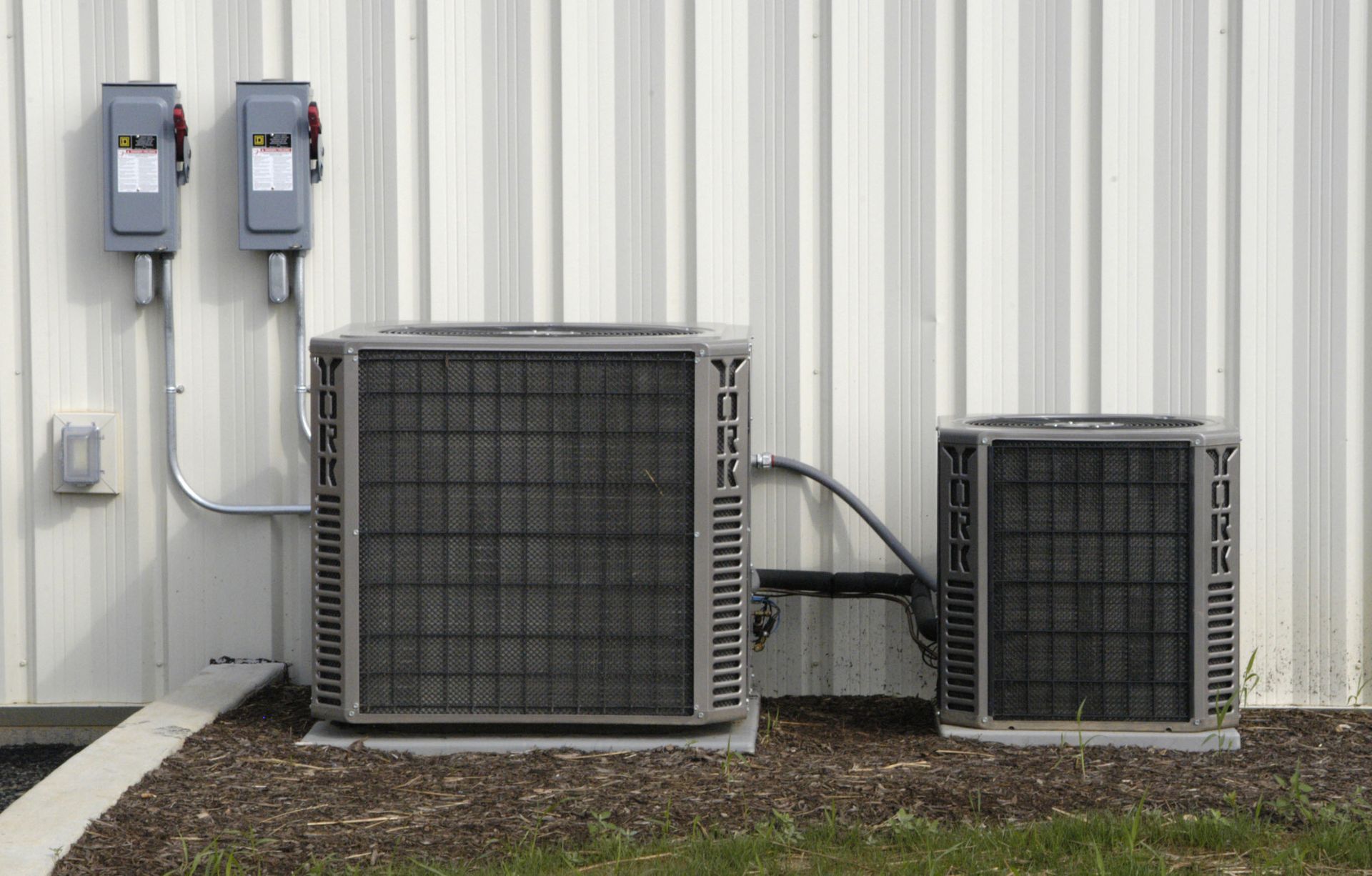
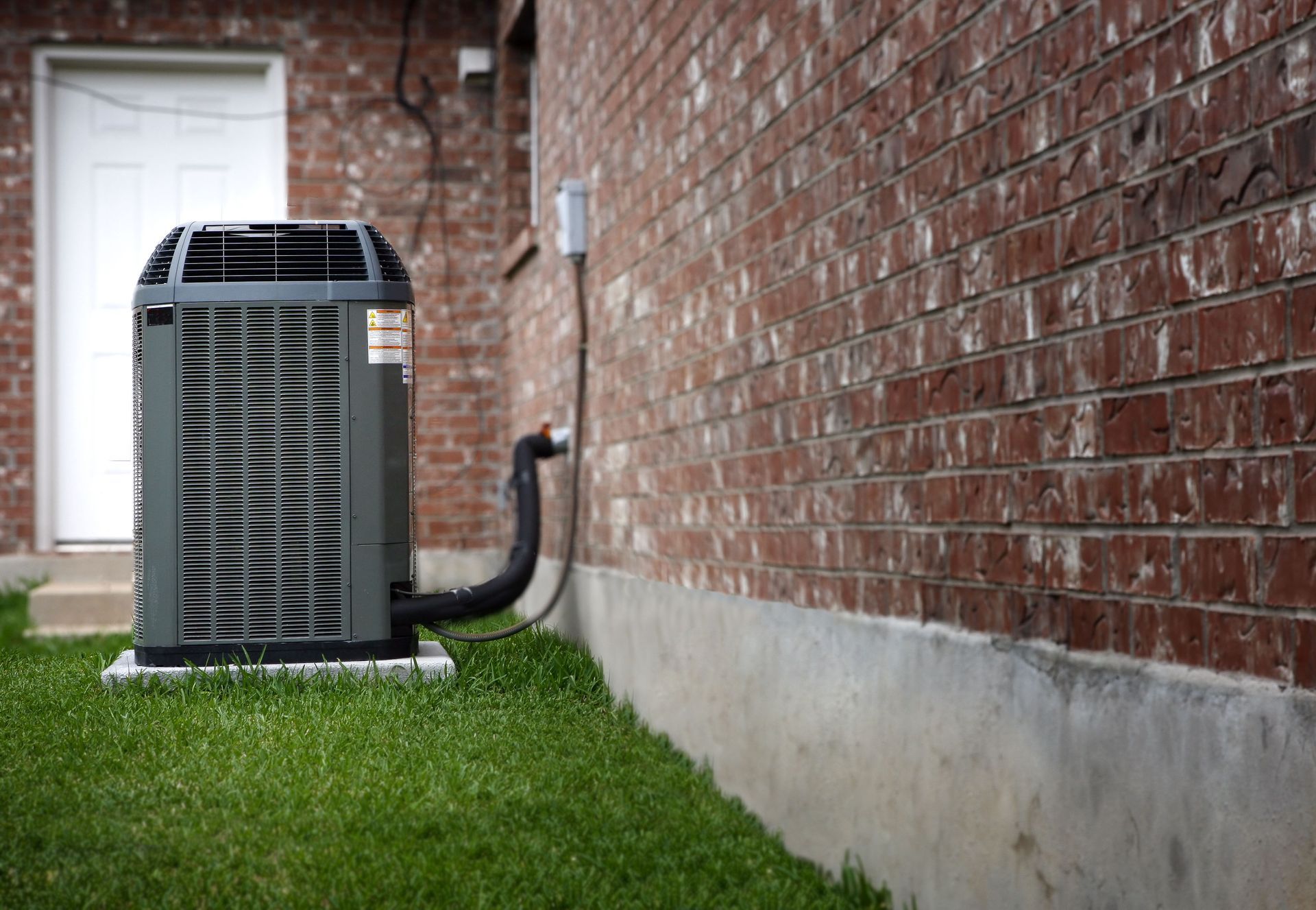
An HVAC system consists of various components working together to regulate indoor climate and air quality. The primary components include the furnace or heating unit, air conditioning unit, ventilation, and ductwork. Each part plays an integral role; for instance, the furnace provides heat, while the air conditioner ensures cooling during warmer months. These systems are often centralized, meaning that components are interconnected to maintain a consistent temperature throughout the home. Understanding the compositions helps in identifying which parts might require servicing at any given time.
The Role of HVAC in Indoor Comfort
HVAC systems are essential for maintaining a comfortable indoor environment, regardless of the weather outside. They regulate the temperature, ensuring warm winters and cool summers, and also significantly affect indoor air quality by filtering pollutants and allergens. Properly functioning systems also manage humidity levels, which can prevent the growth of mold and other moisture-related issues. By maintaining optimal conditions, HVAC systems play a critical role in promoting wellbeing and productivity. Ignoring HVAC servicing, however, can lead to discomfort and potential health issues.
Common Types of HVAC Systems
HVAC systems are available in various configurations to suit different needs and preferences. Central air systems, for instance, are prevalent in many homes and offer comprehensive heating and cooling by utilizing a network of ducts. Split systems, on the other hand, allow for flexibility as they separate the heating and cooling units into different components, often without the need for ductwork. There are also hybrid systems that combine gas and electric heating to improve energy efficiency. Understanding each type of HVAC system helps homeowners make informed decisions about their heating and cooling needs.
How HVAC Systems Work
HVAC systems operate by transferring heat energy from one location to another, effectively cooling or heating indoor spaces. This process typically involves a cycle of refrigerant evaporation and condensation, facilitated by compressors and fans. During operation, heat is extracted from indoor air and transferred outdoors in cooling systems, while heating units draw heat from outdoor air for warming interiors. Efficient systems maintain balanced air circulation and are adept at temperature control. When components malfunction, however, this delicate process can be disrupted, highlighting the need for regular servicing.
Energy Efficiency in HVAC Systems
Energy efficiency is a critical consideration in modern HVAC systems, as it directly impacts utility costs and environmental footprint. Advances in technology have led to the development of energy-efficient HVAC units, often equipped with variable speed motors and smart thermostats that optimize operation. A well-maintained system runs efficiently, consuming less energy and reducing overall utility bills. Conversely, neglecting routine maintenance can lead to inefficiencies, such as clogged filters or leaky ducts, which force systems to work harder and consume more energy. Proactive servicing, therefore, is essential in sustaining energy efficiency.
Signs Your HVAC Needs Servicing
Increased Energy Bills
One of the most obvious signs that your HVAC system requires servicing is a sudden spike in energy bills. When your system works harder than necessary—often due to unresolved maintenance issues—it consumes more energy. This inefficiency not only raises costs but also indicates potential problems such as dirty filters or leaky ducts. Regular servicing can identify and resolve these inefficiencies before they become major financial burdens. Monitoring your energy bills can offer early insights into your system's performance and the need for maintenance.
Uneven Temperature Distribution
Temperature inconsistencies throughout your home often signal the need for HVAC servicing. If certain rooms are consistently warmer or cooler than others, it may indicate an issue with airflow or ductwork. These discrepancies can stem from blockages, leaks, or an improperly sized system. Regular maintenance checks help ensure balanced temperatures across different zones, optimizing comfort. Addressing these issues promptly can prevent further discomfort and potential strain on your HVAC system.
Unusual Noises or Odors
Unusual sounds or odors emitted from your HVAC system can often hint at underlying problems needing attention. Sounds such as rattling, grinding, or squealing usually indicate mechanical issues or worn-out components. Likewise, strange odors may suggest mold growth, burnt wiring, or gas leaks. Ignoring these auditory and olfactory signals can lead to more severe problems and costly repairs. Routine maintenance allows technicians to identify and rectify these minor issues before they escalate.
Frequent Cycles or Short Cycling
If your HVAC system cycles on and off more frequently than usual, it may be time for a service check. Frequent cycling, known as short cycling, might be caused by malfunctioning thermostats, refrigerant leaks, or inadequate airflow. These issues place extra stress on the system and can decrease its lifespan. Regular inspections can identify and fix the root causes, ensuring efficient and consistent operation. Addressing short cycling promptly helps prevent further wear and tear on the system's components.
Reduced Air Quality and Comfort
Poor indoor air quality is not only uncomfortable but can also pose health risks, underlining the need for timely HVAC servicing. Accumulation of dust, allergens, or pollutants, often due to dirty filters or ductwork issues, can degrade air quality. This degradation may lead to respiratory problems, allergies, or aggravated asthma in sensitive individuals. Regular maintenance, including cleaning and filter replacement, enhances air quality and promotes a healthier living environment. According to CNET, maintaining your HVAC system can help prolong its life up to 20 years, supporting household health and comfort throughout its lifespan.
Benefits of Regular HVAC Maintenance
Extended System Lifespan
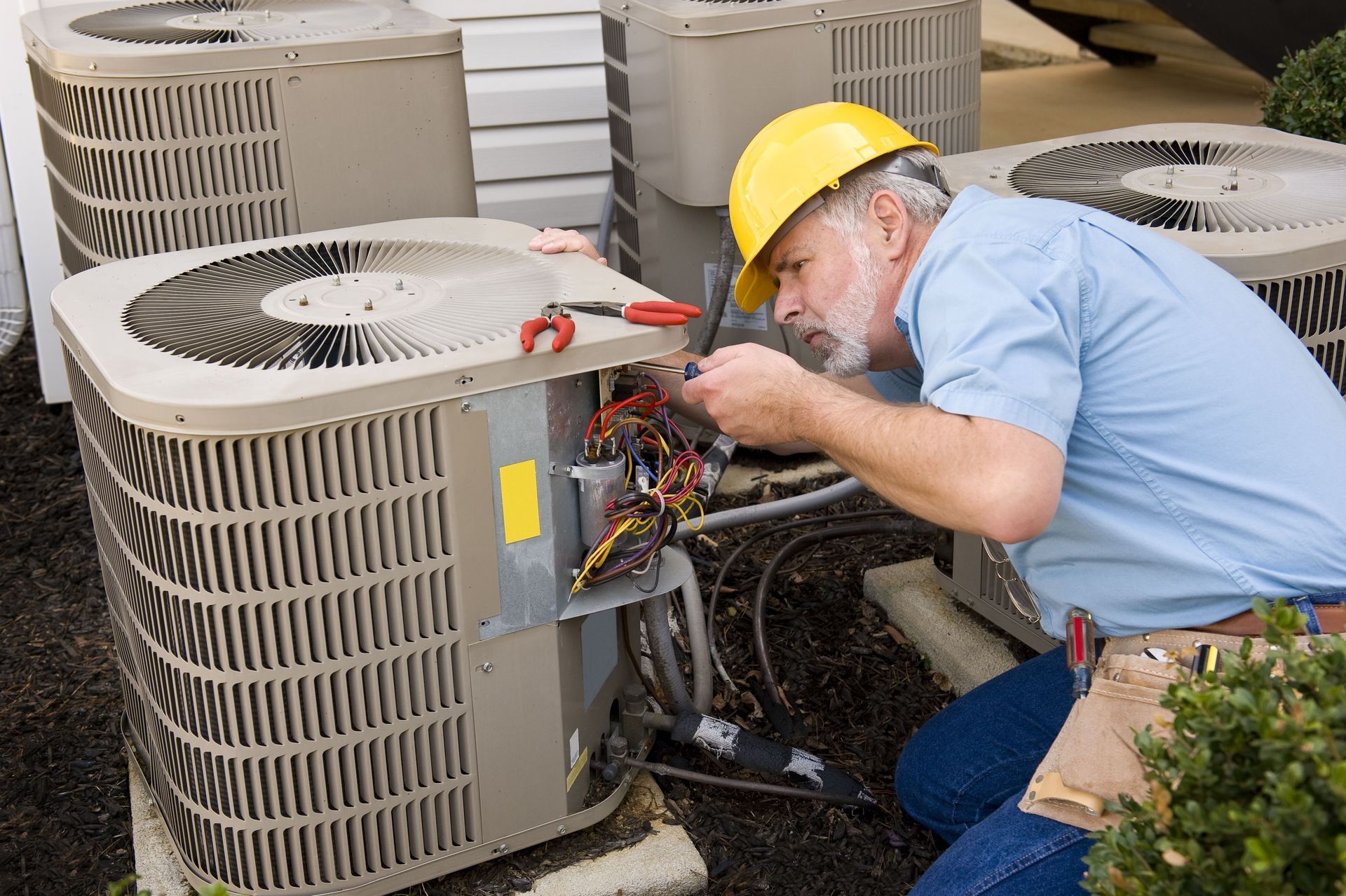
Regular HVAC maintenance plays a pivotal role in extending the life of your system, ensuring it operates efficiently for years to come. Routine check-ups and prompt repairs help prevent minor issues from escalating into major problems that could prematurely end your system's life. Well-maintained systems face less strain during operation, reducing the likelihood of critical component failures. As CNET highlights, with proper care, HVAC systems can last up to 20 years, providing long-term climate control and comfort. Prioritizing maintenance is a wise investment in prolonging the functionality of your HVAC system.
Regular HVAC service is not just a matter of comfort but a necessity for efficient and economical home management. Recognizing the signs and acting promptly, as discussed in this article, will save money, prolong the system's life, and ensure a healthier indoor environment. By understanding your system, identifying the right service provider, and maintaining a proactive maintenance routine, you secure the well-being of your household. The longevity and reliability of an HVAC system, significantly influenced by maintenance practices, provide long-term peace of mind and enhanced living conditions. Engage in regular servicing to maximize benefits, transforming HVAC care into a source of comfort, efficiency, and financial prudence. Be sure to reach out to Route 66 HVAC today to learn more about our professional HVAC service!