July 13, 2026
Your heating and cooling system works hard throughout the year to keep your home comfortable, whether you're dealing with sweltering summer temperatures or chilly winter weather. Over time, even the most reliable HVAC equipment experiences wear and tear that can reduce efficiency and increase energy consumption. Without routine maintenance, minor issues can develop into larger problems that lead to higher utility bills and expensive repairs.
Regular service helps your system operate at peak performance while reducing unnecessary strain on its components. Working with experienced HVAC contractors allows homeowners to identify potential concerns early, improve energy efficiency, and maximize the return on their heating and cooling investment. According to Workyard, residential HVAC systems account for nearly 40% of the overall HVAC market, with air conditioning systems representing a significant share, particularly in regions that experience extreme seasonal temperatures. This highlights just how important efficient residential systems are for both comfort and long-term energy savings.
Why Regular Maintenance Is Essential for HVAC Systems?
Routine maintenance is one of the most effective ways to keep your heating and cooling equipment operating efficiently. Like any mechanical system, HVAC units require periodic inspections, cleaning, and adjustments to perform as intended. Skipping maintenance often allows dust buildup, worn components, and airflow restrictions to gradually reduce system performance.
Professional HVAC contractors perform comprehensive evaluations that help identify issues before they affect comfort or efficiency. Small problems such as loose electrical connections, dirty evaporator coils, or clogged condensate drains may seem insignificant at first, but can place additional stress on the system if left unresolved.
Regular maintenance also helps your HVAC system maintain consistent indoor temperatures. Instead of working harder to reach your desired thermostat setting, a properly serviced unit can complete heating and cooling cycles more efficiently. This reduced workload lowers energy consumption while minimizing unnecessary wear on important components.
Many manufacturers also recommend routine maintenance to help preserve warranty coverage. Failing to schedule professional service may complicate warranty claims if a major component fails prematurely.
How Can Inspections by HVAC Contractors Prevent Costly Repairs?
One of the greatest advantages of preventive maintenance is catching small issues before they become expensive emergencies. Professional HVAC contractors have the training and diagnostic equipment needed to recognize early warning signs that homeowners might overlook.
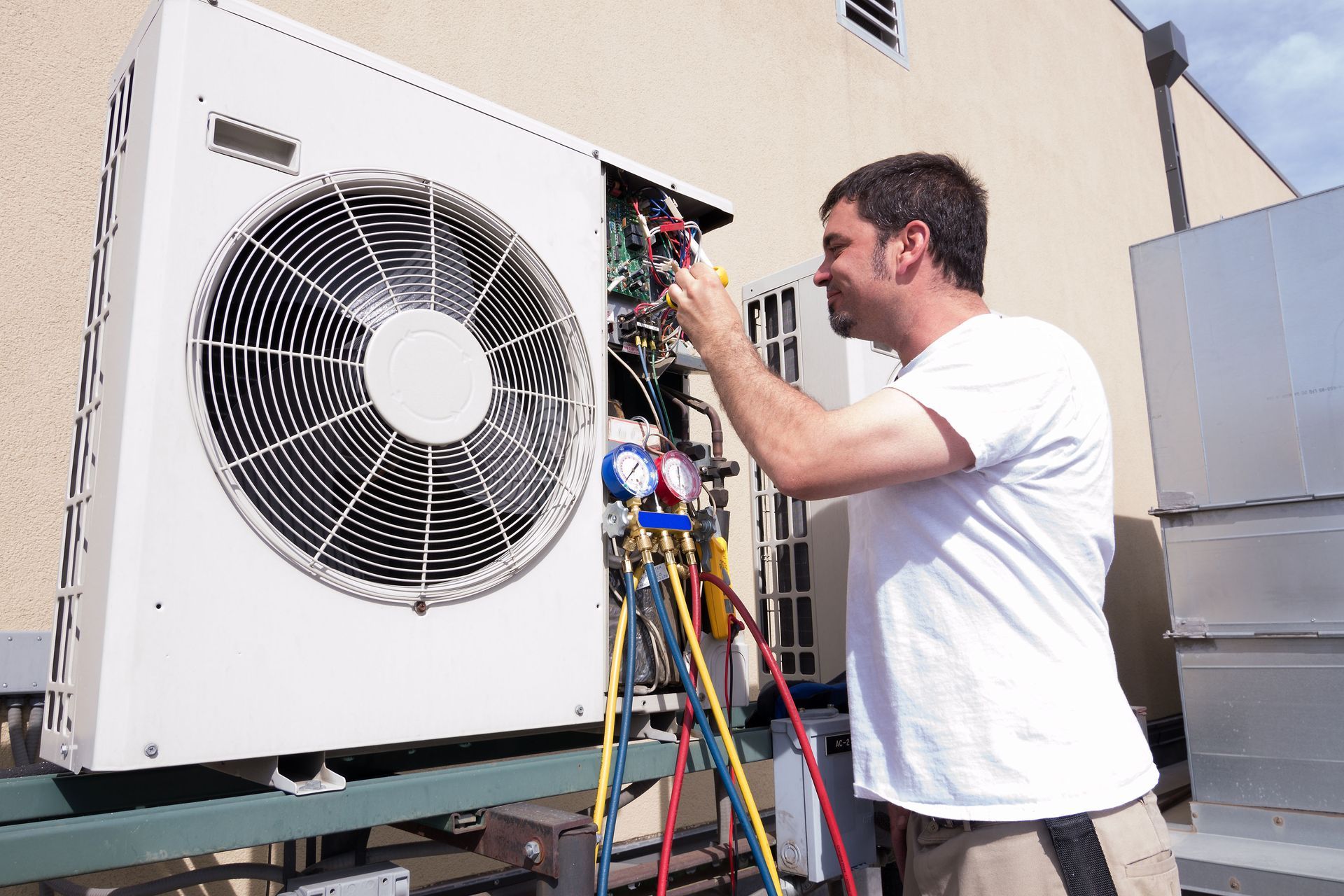
During an inspection, technicians carefully evaluate electrical systems, refrigerant levels, motors, belts, fans, thermostats, and other critical components. A slightly worn belt or a loose electrical connection may only require a simple adjustment during routine service. If ignored, however, these minor concerns could eventually lead to motor failure or complete system shutdown.
Preventive inspections also reduce the likelihood of unexpected breakdowns during periods of extreme weather. The last thing most homeowners want is an air conditioner that stops working during a summer heat wave or a furnace failure in the middle of winter.
In addition to preventing major repairs, regular inspections can improve indoor air quality. Dirty filters, clogged coils, and excessive dust buildup reduce airflow while allowing contaminants to circulate throughout your home. Routine cleaning helps maintain cleaner indoor air while supporting more efficient system operation.
Investing in scheduled inspections often costs far less than emergency repairs or complete system replacements, making preventive maintenance a smart financial decision.
What Are the Key Components HVAC Contractors Focus on During Maintenance?
A professional maintenance visit involves much more than simply changing an air filter. Experienced HVAC contractors perform a thorough inspection designed to keep every major component operating efficiently and safely.
One of the first tasks involves inspecting and replacing air filters when necessary. Dirty filters restrict airflow, forcing the blower motor to work harder and increasing overall energy consumption. Replacing filters regularly allows air to circulate freely while improving indoor comfort.
Technicians also clean evaporator and condenser coils. Dirt and debris on these coils reduce heat transfer, making the system less efficient and increasing operating costs. Clean coils allow your HVAC equipment to cool and heat your home more effectively.
Electrical connections receive careful attention as well. Loose wiring can reduce performance, create safety hazards, or cause intermittent equipment failures. Tightening and testing electrical components helps maintain reliable operation.
Thermostats are calibrated to ensure accurate temperature control. Even small calibration issues may cause your HVAC system to cycle more frequently than necessary, increasing energy use.
Refrigerant levels are another important area of inspection. Low refrigerant reduces cooling performance and places additional stress on the compressor, one of the most expensive components in the system.
Technicians also inspect blower motors, fan blades, condensate drains, ductwork, safety controls, and lubrication points where applicable. By addressing each of these areas during routine maintenance, HVAC contractors help optimize overall system performance while reducing the likelihood of unexpected failures.
How Does HVAC Maintenance Improve Energy Efficiency?
Energy efficiency is one of the primary reasons homeowners schedule regular HVAC maintenance. When every component operates properly, your system requires less electricity or fuel to maintain comfortable indoor temperatures.
Dirty air filters are among the most common causes of reduced efficiency. Restricted airflow forces the blower motor to run longer, increasing energy consumption while placing additional strain on the equipment. Simply replacing a clogged filter can noticeably improve airflow and reduce operating costs.
Clean coils also contribute significantly to energy savings. Heat transfer becomes much more effective when coils are free of dirt and debris, allowing the system to cool or heat your home without excessive effort.
Proper refrigerant levels are equally important. Low refrigerant forces air conditioning systems to run longer cooling cycles while reducing comfort. Correct refrigerant charges allow the equipment to perform at its designed efficiency.
Lubricated moving parts reduce friction inside motors and other mechanical components. Less friction means lower energy consumption and reduced wear over time.
Routine thermostat testing ensures your system responds accurately to temperature settings. When thermostats function correctly, your HVAC equipment cycles efficiently rather than running longer than necessary.
Regular maintenance also helps maintain consistent airflow throughout your home. Balanced airflow reduces hot and cold spots while preventing certain areas from requiring excessive heating or cooling.
Can Regular HVAC Maintenance Increase the Lifespan of Your System?
Replacing an HVAC system represents a significant investment, making longevity an important consideration for homeowners. Routine maintenance helps maximize the useful life of heating and cooling equipment by minimizing unnecessary wear and addressing problems before they cause extensive damage.
Mechanical components naturally experience wear over time, but clean, properly adjusted equipment experiences much less stress than neglected systems. Motors operate more efficiently, compressors work under appropriate conditions, and airflow remains unrestricted.
Professional HVAC contractors can identify aging components before they fail. Replacing inexpensive parts during routine maintenance often prevents damage to larger, more costly equipment.
Maintaining proper refrigerant levels also protects the compressor from excessive strain. Since compressor replacement can be one of the most expensive HVAC repairs, preventive maintenance offers considerable long-term value.
Consistent maintenance helps preserve system performance as equipment ages. While no HVAC unit lasts forever, properly maintained systems often continue operating efficiently for many years beyond what neglected systems achieve.
Routine service also provides homeowners with valuable information about their system's condition. As equipment ages, technicians can recommend repairs, efficiency upgrades, or replacement planning well before an emergency occurs. This allows homeowners to budget appropriately rather than facing an unexpected breakdown.
Routine HVAC maintenance is one of the most effective ways to reduce energy costs while protecting one of your home's most valuable systems. Regular inspections, cleaning, adjustments, and preventive repairs allow your equipment to operate more efficiently throughout every season.
Working with qualified
HVAC contractors helps identify potential problems early, improve airflow, maintain proper refrigerant levels, and keep every major component functioning as intended. These services not only contribute to lower monthly utility bills but also reduce the likelihood of unexpected breakdowns and expensive emergency repairs.
With consistent maintenance, homeowners can enjoy improved indoor comfort, greater energy efficiency, and a longer-lasting heating and cooling system. Investing in preventive service today can lead to meaningful savings and dependable performance for years to come. If you're looking for experienced HVAC services, reach out to Route 66 HVAC today!