September 11, 2026
In this article, we will explore how dirty air filters impact the efficiency and longevity of your HVAC system. Dirty filters often go unnoticed, yet their impact can be profound on both system performance and home air quality. Understanding these effects is crucial for maintaining a healthier system and ensuring peak performance. Regular inspection and maintenance are key strategies homeowners can employ to avert potential issues brought by clogged filters.
Reduced Airflow
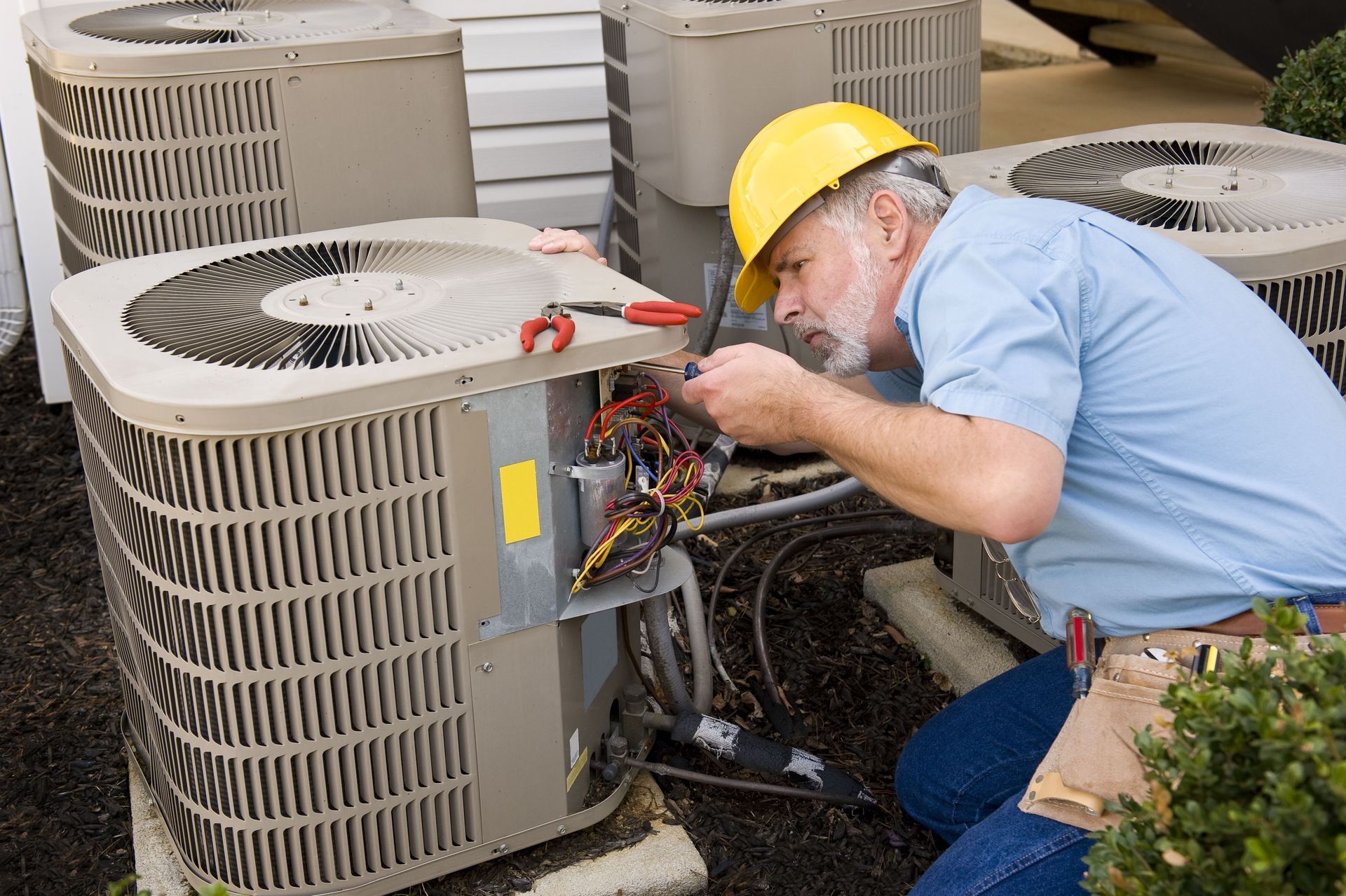
Dirty filters become clogged, restricting airflow and causing your HVAC system to work harder. As debris accumulates, the filter fibers become obstructed, impeding the efficient flow of air. This forces the system to expend more energy to maintain airflow, increasing the workload on its mechanical parts and causing premature wear and tear. Contracting a trusted local HVAC service ensures these issues are caught before they cause major system failure.
The battle with clogged filters also impacts energy consumption. The system requires more power to push air through a constrained filter, which can lead to a significant increase in utility bills. The Environmental Protection Agency estimates that air filter changes can reduce your HVAC system’s energy consumption by 5-15%, emphasizing the impact that clean filters can have.
Restricted airflow results in uneven distribution of cooled or heated air, leading to cold spots or unseasonably warm areas in different parts of the home. Homeowners often try to adjust the thermostat to compensate, further straining the system. Regular air filter maintenance is a straightforward solution to ensure consistent and comfortable indoor conditions.
Given the constant operational demand of HVAC systems, even slight improvements in airflow efficiency can reflect substantial cost savings over time. Partnering with a reliable local HVAC service can help homeowners optimize their equipment and prevent unnecessary energy drain.
Every HVAC unit experiences a unique variation in how filter cleanliness affects energy efficiency; however, the common denominator is consistent: dirtier filters demand more power. As HVAC systems account for nearly 50% of a household's energy consumption, optimizing airflow becomes indispensable.
Strain on System Components
When airflow is impeded by a dirty air filter, key components like fan motors and heat exchangers must work overtime to compensate. This added strain often causes motors to overheat and components to degrade prematurely. With the continuous load required even at standard performance levels, such stress can lead to early failures in critical HVAC parts.
For instance, the fan motor can burn out if forced to operate under restricted conditions for extended periods. The system's heat exchanger also faces risk as it experiences additional thermal load, potentially leading to cracks or leaks. By understanding these risks, homeowners can prioritize care and regular inspection to fend off costly major system malfunctions.
According to Workyard, approximately 397,450 HVAC mechanics and installers are employed in the U.S., meaning there are ample resources for homeowners to invest in professional services that ensure optimal system performance. Engaging these professionals for periodic inspections provides a deeper understanding of potential issues before they manifest into serious problems.
Reduced airflow prevents the HVAC system from maintaining consistent temperatures across different rooms. This uneven distribution requires continual thermostat adjustments, disrupting both energy efficiency and personal comfort. Scheduled tune-ups from a local HVAC service help maintain even temperature distribution and smooth air circulation across every room.
Routine maintenance and timely filter changes address the root cause of uneven temperature complaints, ensuring that the system services the home rather than allowing undetected issues to dictate performance. Changing filters allows the system to operate within its design capacity, ensuring balanced heating and cooling distribution without relying on external adaptation mechanisms.
Audible Noise Increases
Dirty filters contribute significantly to increased noise levels from your HVAC system. As filters become saturated with dirt and debris, the strain on internal components increases noise production. Homeowners may hear unusual squeaks, rattles, or clanging that indicates an overworked system. Address these issues promptly by changing the filter to re-establish quiet operation.
Noise produced by an HVAC unit is a direct symptom of underlying pressure on system mechanics. The presence of unusual sounds often correlates with fan motor straining or imbalanced airflow. Calling a qualified local HVAC service to perform an inspection can resolve these operational noises quickly and prevent further mechanical degradation.
Regular filter inspection keeps noise to a minimum, ensuring the system runs as quietly as initially intended. Proactively managing filter cleanliness restores serenity and confirms thorough oversight of overall system health.
Decreased Indoor Air Quality
Dirty filters facilitate the accumulation of dust, pollen, and other allergens within living spaces. When filters aren't changed regularly, they become cesspools for allergy-inducing agents that circulate within the home. Those suffering from allergies or respiratory issues find heightened symptoms when allergens are unchecked. Clean filters curtail the release of these particles, promoting a healthier living space.
The HVAC system’s inability to filter out particulates fosters an unhealthy living environment, aggravated further during peak allergy seasons. While many homeowners invest in expensive air purifiers, the basic step of changing filters can considerably cut down allergenic presence. Homeowners can consult with a local HVAC service to determine the ideal filter MERV rating for their specific indoor air quality goals.
Over time, an inundated filter lets contaminants that would otherwise be blocked spread straight through the air ducts. This infiltration increases the risk of exposure to airborne pathogens and microbes. Clean filters actively participate in preventative health measures by retaining a significant portion of harmful airborne substances before they recirculate.
Indoor air quality is a primary determinant of respiratory health. When individuals are exposed to unchecked dust and pollen, they may experience exacerbated symptoms of asthma and chronic lung irritation. Clean and effective filters act as the first line of defense, actively trapping toxic particles before they compromise indoor living spaces.
Odors and Mold Growth
Inefficient filters can cause unpleasant odors from cooking, pets, or accumulated dust to linger indoors for days or weeks. When the HVAC system cannot efficiently recycle air due to obstructive blockages, stale or unsavory scents remain trapped in circulation routes. Replacing clogged filters solves most odor issues promptly by restoring natural airflow.
Moisture coupled with debris creates optimal conditions for mold and mildew to thrive on dirty filters. Strengthened by steady warmth and periodic system operation, mold spores can propagate, posing serious risks to structural and respiratory health. Signs include visible mold clusters around vents or musty odors, requiring immediate remediation.
Proactive behavior ensures long-term environmental safety within your residence. As mold and mildew cause or exacerbate allergies, maintaining filter hygiene becomes as essential to health as any other home appliance inspection protocol.
The financial impact of frequent repairs and part replacements due to dirty filters can quickly become overwhelming for homeowners. As small technical issues compound into complex repairs, households must allocate resources to a recurrent stream of corrective actions. Basic maintenance avoidance not only shortens equipment lifespan but creates an ongoing financial burden that far exceeds the cost of routine filter changes.
Maintaining clean air filters is the simplest yet most vital step in preserving your HVAC system's efficiency, air quality, and overall lifespan. Ignoring filter care creates a domino effect of reduced airflow, inflated energy bills, unnecessary noise, and costly mechanical failure. Establishing a regular replacement schedule keeps your home comfortable, healthy, and energy-efficient year-round. When you need professional support, system tune-ups, or expert repair solutions, rely on the dedicated team at Route 66 HVAC to keep your heating and cooling equipment running flawlessly.